Oil Price Surge Triggers Global Market Volatility as Inflation Fears Return
Oil Price Surge Triggers Global Market Volatility as Inflation Fears Return
Global markets experienced significant turbulence this week as oil prices surged past $110 per barrel, reigniting concerns about inflation and economic growth. The sharp increase in energy costs has sent shockwaves through financial markets, with major indices tumbling amid renewed uncertainty.
The Oil Price Shock
The price of crude oil has seen a dramatic spike, jumping from the $63 per barrel forecast in the UK’s Spring Statement to nearly $94 by Friday’s close. This represents a nearly 50% increase in just days, catching many analysts and policymakers off guard.
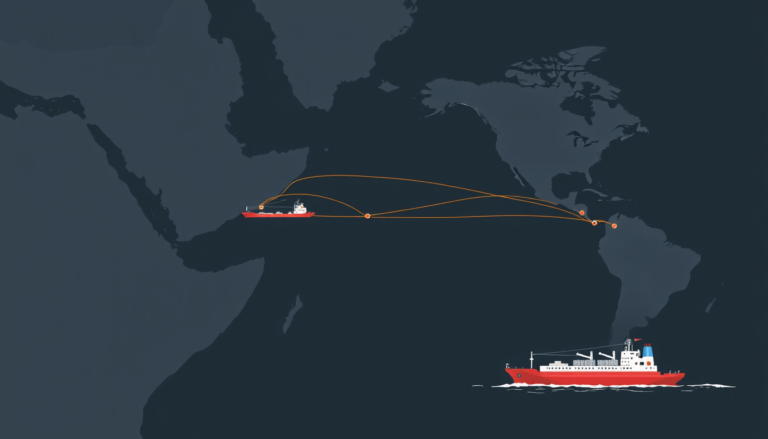
The surge is primarily driven by escalating geopolitical tensions in the Middle East, particularly involving Iran. While the Strait of Hormuz hasn’t been formally closed, insurance costs have soared and shipping routes have been disrupted, creating a de facto bottleneck in global oil supplies.

Market Impact
The oil price shock has triggered a broad-based sell-off across global equity markets:
- US Markets: The Dow Jones Industrial Average and S&P 500 both experienced significant declines
- European Markets: Major indices followed suit, with energy-sensitive sectors hit hardest
- Asian Markets: Regional markets showed volatility as investors reassessed growth prospects
The surge in energy prices has also impacted other commodities:
- Natural Gas: UK gas prices jumped from 74 pence per therm to £1.35, peaking at £1.70
- Metals: Aluminum surged 9.75% in the week, its largest gain since January 2023
- Precious Metals: Silver fell 9.63%, breaking a three-week winning streak

Inflation Concerns Return
The sudden spike in energy costs has raised fears that inflation, which had been moderating, could reaccelerate. This is particularly concerning for central banks that had been considering interest rate cuts:
- Bank of England: Expected to rein in planned rate cuts as inflation remains sticky
- Federal Reserve: May delay easing measures given the inflationary pressure
- European Central Bank: Faces similar challenges with energy price sensitivity
The UK’s bond market has been particularly affected, with 10-year gilt yields rising from the forecast 4.4% to 4.6%, nearly touching 4.7% during the week. This reflects traders’ concerns about the UK’s historical sensitivity to energy price inflation.
What This Means for Investors
The current market environment presents both challenges and opportunities:
Risks to Consider
- Energy-Dependent Sectors: Transportation, manufacturing, and consumer discretionary stocks face margin pressure
- Interest Rate Sensitivity: Higher-for-longer rates could pressure growth stocks and real estate
- Consumer Spending: Rising energy costs could dampen consumer confidence and spending
Potential Opportunities
- Energy Producers: Oil and gas companies may benefit from higher prices
- Inflation Hedges: Commodities, real assets, and TIPS could provide protection
- Defensive Sectors: Healthcare, utilities, and consumer staples may offer relative stability
Looking Ahead
The situation remains fluid, with much depending on how geopolitical tensions evolve. Key factors to watch include:
1. Geopolitical Developments: Any escalation or de-escalation in the Middle East
2. OPEC+ Response: Whether major oil producers will increase output
3. Central Bank Actions: How monetary policymakers respond to inflation risks
4. Economic Data: Upcoming inflation and growth figures will be crucial
Conclusion
The oil price surge serves as a stark reminder of how quickly market conditions can change. While the current volatility is unsettling, it also highlights the importance of maintaining a diversified portfolio and staying focused on long-term investment goals.
Investors should avoid making knee-jerk reactions and instead use this period to reassess their portfolios, ensure adequate diversification, and consider opportunities that may arise from the market dislocation.
As always, maintaining a disciplined investment approach and focusing on fundamentals will be key to navigating these uncertain times.