
Financial Strain from Middle East Conflict: Global Markets Under Pressure
The ongoing conflict in the Middle East has sent shockwaves through global financial markets, creating unprecedented economic strain across multiple sectors. As tensions escalate, investors are witnessing heightened volatility in stock markets, commodities, and currency exchanges worldwide.
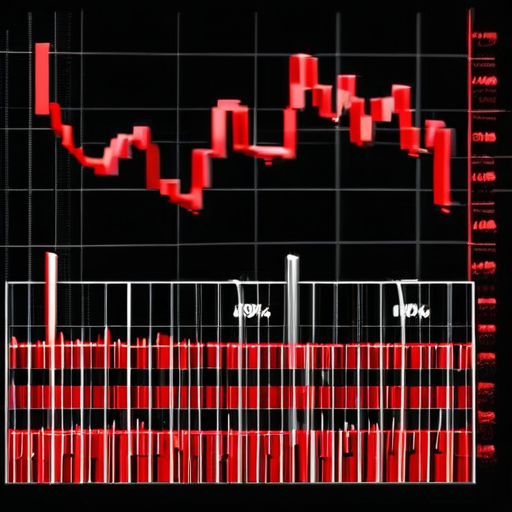
The immediate impact has been most visible in energy markets. Oil prices have surged to multi-year highs, driving up transportation costs and fueling inflationary pressures across economies. This energy shock comes at a particularly vulnerable time, as many nations were already grappling with post-pandemic recovery challenges and supply chain disruptions.
Financial institutions are reassessing risk models, while central banks face the difficult task of balancing inflation control with economic growth support. The uncertainty has led to increased market volatility, with investors seeking safe-haven assets like gold and government bonds.

Emerging markets are particularly exposed, facing capital outflows and currency depreciation pressures. The conflict’s duration and potential escalation remain key variables that will determine the depth and duration of this financial strain. Policymakers worldwide are coordinating responses to mitigate systemic risks and maintain financial stability.
For investors and businesses alike, the current environment demands careful risk management and strategic planning. While the immediate outlook remains uncertain, historical patterns suggest that markets eventually adapt to new geopolitical realities, though the transition period may prove challenging for many sectors.