Markets Brace for Iran Escalation: Oil Risk Premium, Sector Rotation, and the New Volatility Regime
Published February 28, 2026. Reports of U.S. and Israeli strikes on targets across Iran have reintroduced the one variable that modern equity markets price poorly: sudden, non-linear geopolitical risk. Even before this weekend’s headlines, oil forecasters were already embedding a larger “war premium” into 2026 price expectations, and that premium is the transmission mechanism from geopolitics to global equities.
Why this matters for equities: oil is the fastest macro shock absorber
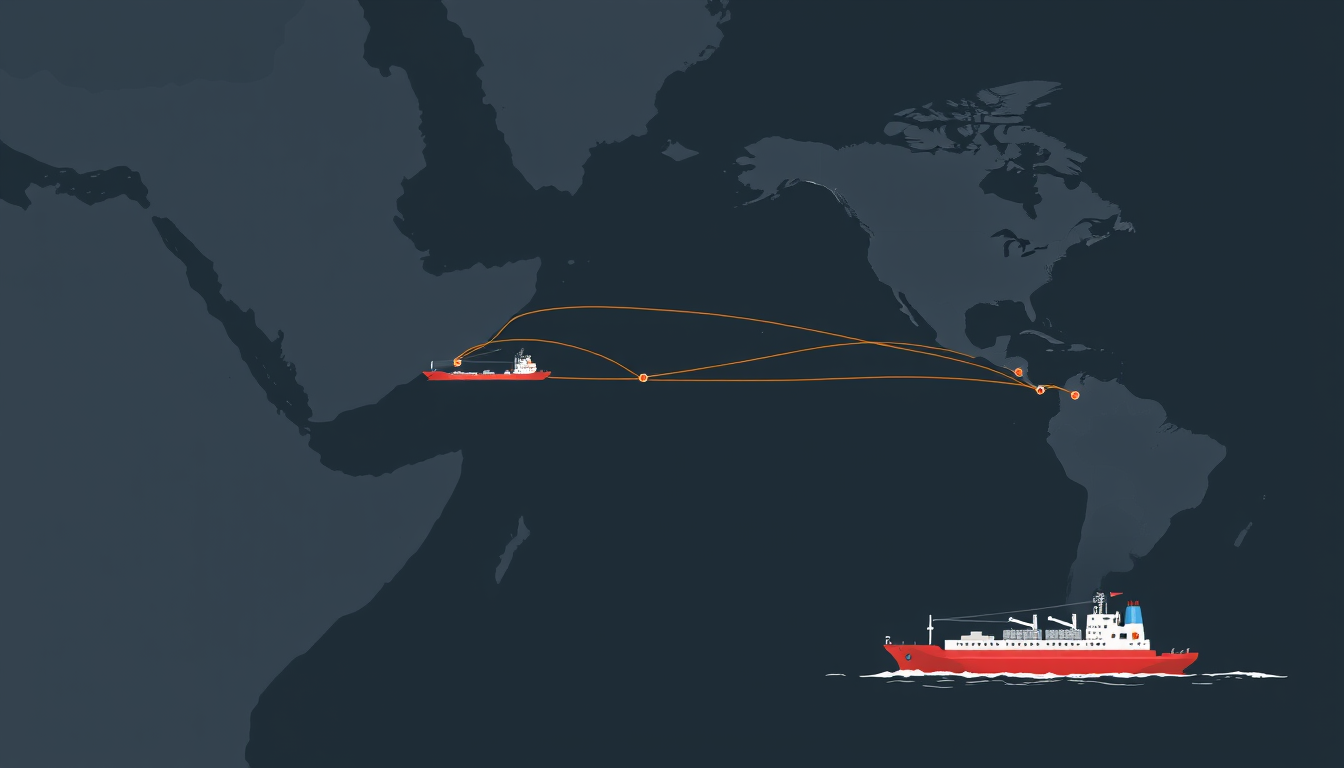
When geopolitical tension rises in the Middle East, crude becomes the market’s first responder. Oil is globally fungible, trades nearly around the clock, and sits upstream of inflation, rates, and corporate margins. If the market believes supply disruption risk has increased—whether through shipping chokepoints, retaliation risk, or tighter sanctions enforcement—it typically shows up as a higher front-end oil price and a steeper volatility surface.
That repricing then cascades through equities via three channels:
- Inflation expectations: higher energy prices lift near-term inflation prints and keep central banks cautious.
- Discount rates: if inflation risk rises, bond yields can move higher even as growth risk increases—an uncomfortable mix for long-duration equities.
- Earnings dispersion: the “same” oil move helps energy producers and some industrials, while pressuring airlines, transports, chemicals, and discretionary demand.
Oil’s risk premium is already back in the conversation
In a Reuters poll summarized by Oilprice.com, analysts lifted 2026 crude forecasts despite persistent “oversupply” narratives. The poll cited uncertainty around how the Iran crisis unfolds, with estimates implying a non-trivial geopolitical premium already embedded in prices (often described as roughly $4–$10 per barrel depending on the day’s headlines and positioning).
Importantly, a “risk premium” doesn’t require an actual supply outage. It requires only that the probability-weighted distribution of outcomes has fattened: markets pay up for insurance when tail risks expand.
What to watch when futures reopen: three tell-tales
Headlines over the weekend can trigger sharp gaps at the reopen. A market narrative usually forms within hours, and investors can monitor it with a small set of high-signal indicators:
- Brent/WTI reaction: the size of the initial gap matters less than whether crude holds the move after liquidity returns.
- Equity volatility term structure: a jump in front-month volatility relative to three-month vol signals “event risk” rather than a slow macro grind.
- Rates vs. equities correlation: if yields rise with equity weakness, markets may be treating the shock as inflationary; if yields fall, it’s more pure risk-off/growth scare.
Sector playbook: who benefits, who pays
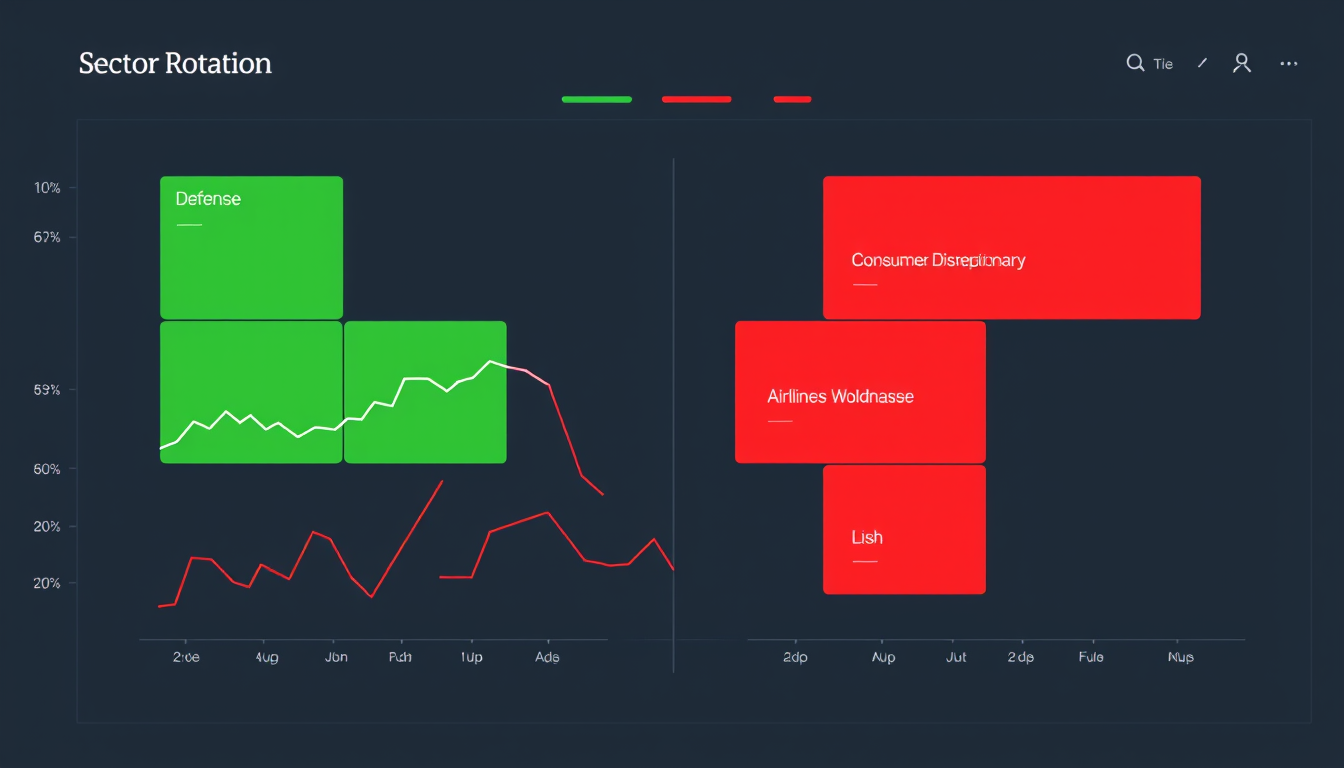
Geopolitical oil shocks tend to create fast sector rotation, not a uniform market tape. The winners are usually obvious, but the second-order effects are where active investors earn their keep.
Potential beneficiaries
- Energy (upstream): higher realized prices can expand cash flow quickly, especially for disciplined producers.
- Defense & cybersecurity: risk regimes often re-rate defense budgets and security spend.
- Oilfield services / midstream: if the shock persists and capex assumptions rise, the “picks and shovels” can catch up.
Potential laggards
- Airlines and transports: jet fuel sensitivity is direct and often under-hedged at exactly the wrong time.
- Consumer discretionary: higher energy costs behave like a regressive tax, compressing real purchasing power.
- Chemicals and parts of industrials: margin pressure rises if input costs jump faster than pricing power.
Portfolio implications: hedge the tail, don’t chase the headline
The temptation after a dramatic geopolitical headline is to “trade the news.” A more robust approach is to treat the event as a potential regime shift and ask: what is your portfolio’s implicit bet on energy, inflation, and volatility?
- Stress test energy sensitivity: model a $10–$20 crude move and map it into EPS for holdings exposed to fuel, freight, and plastics.
- Use convex hedges sparingly: modest index put spreads or volatility exposure can protect against gaps without turning a portfolio into an options book.
- Favor balance-sheet quality: in volatility regimes, leverage and funding risk get repriced quickly.
- Avoid false precision: markets will overreact, then reprice again as details emerge. Build plans for multiple paths.
The bottom line
Whether this weekend’s escalation becomes a short-lived shock or the start of a prolonged risk premium depends on the next set of political and military decisions. But for investors, the framework is consistent: watch crude and volatility for the first signal, then follow the sector rotation into earnings sensitivity and balance-sheet resilience.
Sources: Yahoo Finance RSS headlines (Feb 28, 2026); Investor’s Business Daily headline summary on strikes; Oilprice.com (Feb 27, 2026) summarizing a Reuters poll on oil forecasts and geopolitical risk premium.